Our work begins

2012
We maintain its regular beat. We make sure that our IT systems will work seamlessly together as essential instruments to support internal security and the asylum, border management and migration policies of the EU.
the European Union Agency for the Operational Management of Large-Scale IT Systems in the Area of Freedom, Security and Justice
Each EU country (or “Member State”) makes an effort to keep Europe safe. Our mission is to provide the technology necessary to ensure those efforts bring the best results.
2012
Our work begins

2013
We recruit our first teams and start managing Eurodac, SIS and VIS. We also set up two additional sites across Europe.
Confused by these acronyms?
Click here
2014
All IT systems are successfully transferred to our data centres.
2015
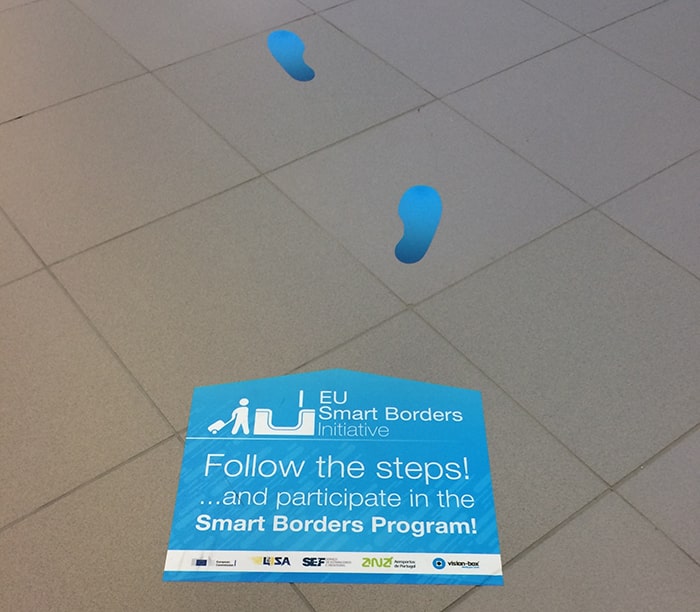
We deliver the Smart Borders pilot project for deploying biometric technology at the Schengen Area’s external borders.
2016
EES preparatory work begins.
Confused by these acronyms?
Click here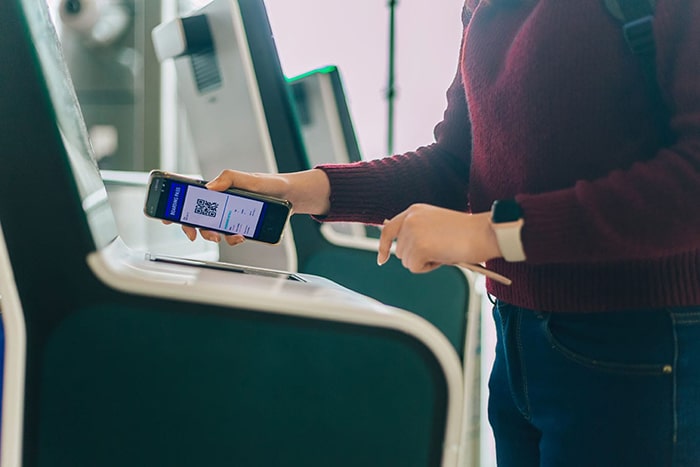
2017
Preparations for ETIAS underway.
Confused by these acronyms?
Click here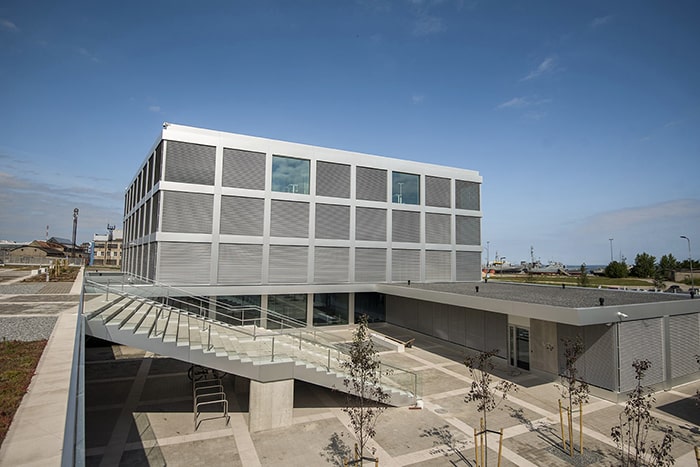
2018
The inauguration of eu-LISA’s permanent HQ in Tallinn and operational site in Strasbourg. Automated Fingerprint Identification System introduced for SIS.
Confused by these acronyms?
Click here
2019
We are given the mandate to manage and develop ECRIS-TCN.
Confused by these acronyms?
Click here
2020
25 years of SIS.
Confused by these acronyms?
Click here
2021
We launch a new visual identity and receive the European Public Sector Award.

2022
eu-LISA celebrates 10 years of duty keeping Europe open and secure.
2023
We launch a major SIS upgrade and take over the cross-border justice tool e-CODEX.
Confused by these acronyms?
Click hereEuropean Asylum Dactyloscopy Database
Eurodac collects and compares digitalised fingerprints to facilitate the processing of asylum application.
Schengen Information System
People and goods can freely move within the Schengen Area. Through SIS, national law enforcement, border control, customs, visa and judicial authorities can exchange information about people and objects of interest and this way keep an eye on public safety.
Visa Information System
Making the common Schengen Visa policy a reality. Thanks to VIS, embassies and national authorities can exchange data and manage visa applications. The system has become invaluable for preventing irregular migration.
Entry/Exit System
Electronically registers when and where third-country nationals enter and exit the Schengen Area, calculating how long they can stay. No need to stamp passports anymore!
European Travel Information Authorisation System
Makes border crossings faster via online pre-travel authorisations for third-country nationals that do not need a visa to enter the Schengen Area.
European Criminal Records Information System - Third Country Nationals
It allows EU countries to share criminal records on third-country nationals and EU nationals having a double nationality from a third country.
e-Justice Communication via Online Data Exchange
e-CODEX enables secure communication between courts, citizens and businesses, in order to simplify judicial cooperation across the EU.
We have upgrades and new systems coming soon. That means more security, more freedom and more justice!
JITs CP
API
VIS
Digital visas
Eurodac
“Prüm II”
title
subtitle
desc
And why it matters
Each of the IT systems eu-LISA manages is designed to tackle different matters. Such as:
Our goal is to make sure that:
Available information is accessible to different services, such as EU law enforcement and border control authorities.
The data stored in the systems is handled safely and with respect for data protection, privacy and fundamental rights.
Services are provided efficiently while also reducing costs.
Our reports inform the general public about how our IT systems work and also support decision-makers in multiple EU institutions.
In the ever-evolving modern world, our Research and Development team constantly monitors the latest (…) technological advancements that could be beneficial to our work, to make sure our systems are up to date. A special focus is given to the use of artificial intelligence in internal security, migration and justice.
We use our online learning platform and traditional face-to-face courses to provide training on our IT systems and their interoperability.
They are the representatives of EU and Schengen Area countries
They ensure we deliver on our statutory commitments… and that it’s always cost-effective.
They are comprised of: EU countries, EU Agencies. Thematic groups that focus on:
Temporary managing bodies that operate during the design and development of core projects.
Sits at the helm of the Agency, managing its operations and ensuring that mission objectives are carried out according to the legal mandate and strategic goals.
Coordination bodies that address specific topics, such as artificial intelligence, biometrics, carrier associations, security officers and training national contact points.